The Ultimate Guide to Balcony Solar: Powering Your Apartment Efficiently
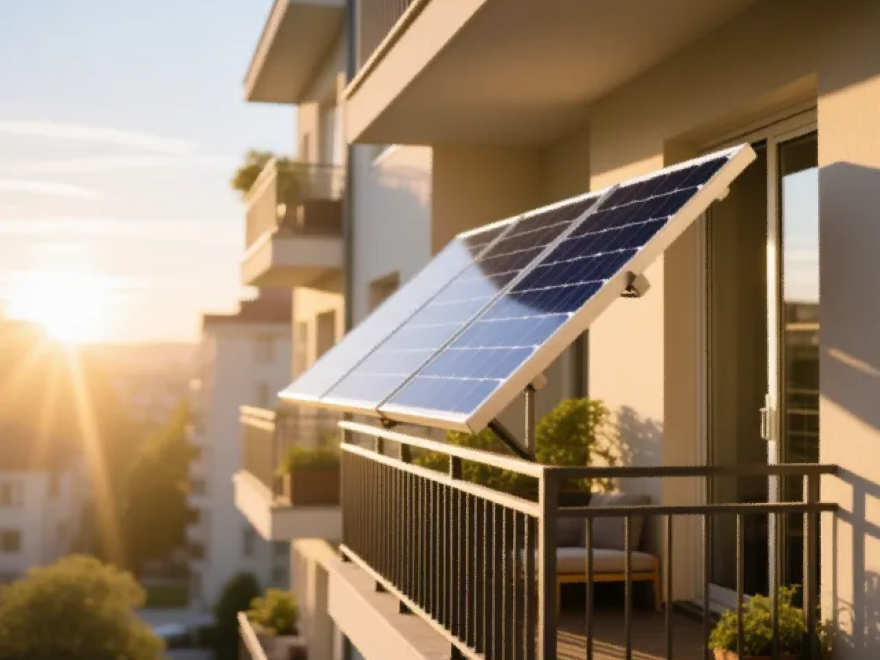
Imagine living in a bustling city flat with no garden or roof access. You still want to cut your energy bills and help the planet. That’s where balcony solar steps in. These plug-and-play systems let renters and flat dwellers generate their own power from the sun. They use small solar panels fitted to balcony rails or floors. No big installations needed. Balcony solar opens up clean energy to everyone, not just homeowners with space. You save money on electricity, lower your carbon output, and gain some control over your power needs. In places like the UK, where energy costs rise each year, this setup makes real sense.
Understanding Balcony Solar Systems (Micro-Inverters and Plug-and-Play)
Balcony solar kits bring solar power right to your doorstep. They work without complex wiring or permits in many cases. Let’s break down how these systems operate.
What Exactly is a Balcony Solar Setup?
A balcony solar setup includes slim photovoltaic panels designed for tight spaces. These panels hook onto railings or stand on the floor. A micro-inverter sits behind each panel. It turns the direct current from the sun into alternating current for your home sockets. You plug the whole thing into a standard wall outlet. Some kits use special connectors for safer links. This design keeps things simple and safe. No need for roof mounts or pro electricians.
Think of it like a portable charger, but for your whole flat. Panels often come in black or sleek frames to blend with your balcony. Basic kits start with one or two panels. Larger ones fit more if space allows. The goal is to feed power straight into your appliances during sunny hours.
Technical Specifications and Output Potential
Most balcony solar systems range from 300 watts to 800 watts total. Two 400-watt panels are common for starters. In the UK, with average sunlight, a 600-watt setup might produce 2 to 4 kilowatt-hours per day. Check sites like the Met Office for your area’s irradiance levels. That data helps predict output.
New rules push for standard plugs with built-in safety. Micro-inverters handle up to 98% efficiency. They stop power flow if the grid fails. Expect panels to last 20 years or more. Output drops in winter, but summer boosts make up for it. Track real stats from user forums or manufacturer tests.
Installation: DIY vs. Professional Mounting
You can install most plug-and-play balcony solar kits yourself in under an hour. Clamp the panels to rails with no drilling. Or use weighted bases for floors. Tools needed? Just a screwdriver and maybe a level. Follow the manual step by step.
Rules vary by building. Some ban drilling into walls. Stick to non-invasive mounts to avoid issues. If your balcony faces wind, pros might check stability. Hire one if unsure about electrics. In the UK, self-install suits 80% of users. It saves cash and gets you generating fast.
Evaluating Feasibility and Optimizing Placement
Before buying, check if balcony solar fits your spot. Sunlight matters most. Small tweaks boost results.
Assessing Your Balcony’s Solar Potential
Face panels south in the UK for max sun. Tilt them at 30 to 40 degrees if possible. Use a phone app like Sun Seeker to map shadows from buildings or trees. Morning shade cuts output by half. Test over a day to spot patterns.
Full sun for six hours yields top power. Even partial light helps offset bills. In cities like London, urban shade is common. Adjust mounts to dodge it. This step turns a so-so balcony into a power plant.
Space Constraints and Aesthetic Considerations
Balcony solar panels take about 1 to 2 square metres per unit. Rail mounts save floor room for plants or chairs. Floor stands work if rails are weak. Pick slim designs under 5 cm thick.
Your landlord or HOA might care about looks. Go for dark frames that match railings. Some kits fold away when not in use. Check lease rules on additions. Hidden wiring keeps things tidy. Balance power gains with your balcony’s vibe.
Calculating Your Energy Offset and ROI
Self-consumption means you use the power as it generates. No need for net metering in small setups. Track via app to see savings. At 30p per kWh in the UK, a 600-watt system pays back in 3 to 5 years.
Costs start at £300 for basics. Add £100 for better inverters. Use online calculators with your postcode and bill. UK incentives like the Smart Export Guarantee reward extra power fed back. ROI hits 15-20% yearly in sunny spots. Factor in rising energy prices for quicker returns.
Navigating Legalities, Regulations, and Safety
Rules keep balcony solar safe and legal. Know them to avoid fines or removals.
Landlord and Homeowner Association (HOA) Approval Processes
Talk to your landlord early. Show how the system clips on without damage. It’s often seen as temporary. In the UK, many leases allow small solar if no alterations occur.
HOAs focus on safety and views. Present photos of installed kits. Stress low weight and wind resistance. One London tenant won approval by proving no drilling. Build a case with facts. Get it in writing before setup.
Electrical Grid Connection and Certification Standards
Plug into a dedicated socket. Micro-inverters have anti-islanding to cut off during outages. This protects workers. Look for UKCA or CE marks on gear.
VDE standards ensure quality for Europe. TÜV tests add trust. Buy from certified sellers. Local councils might check big installs. For small ones, self-certify via the manual. Safety first keeps risks low.
Insurance and Liability Considerations
Review your home insurance. Most cover added solar if declared. Renter policies often include balcony items.
Wind load tests show panels hold up to 100 km/h gusts. Tell your insurer about the setup. It might raise premiums slightly, but savings offset that. Check for damage clauses. Peace of mind comes with coverage.
Selecting the Right Balcony Solar Kit for Your Needs
Pick a kit that matches your balcony and budget. Compare options carefully.
Comparing Kit Types: Fixed vs. Folding/Portable Panels
Fixed mounts stay put for steady output. They suit year-round use. Bolts or clamps secure them tight.
Folding panels pack away in rain or off-season. Great for renters who move. Durability trades for ease. Fixed lasts longer but needs more commitment. Choose based on your stay length.
Portable ones weigh under 10 kg. Set up in minutes. Fixed types handle UK weather better.
Key Features to Look For in Micro-Inverters
Efficiency above 95% matters. It maxes your sun power. Wi-Fi apps let you monitor output daily.
Long warranties, like 10 years, signal quality. Brands like Hoymiles or Enphase lead. Check for easy plug swaps. Good ones auto-shut in faults. These picks ensure reliable balcony solar.
Financing Options and Cost Benchmarks
Entry kits cost £250 to £500. High-output ones hit £800. Shop online for deals.
UK grants via ECO4 help low-income homes. Tax credits apply in some areas. Pay monthly plans spread costs. Compare prices on sites like Amazon or specialist shops. Value beats cheap buys.
Conclusion: The Future of Urban, Accessible Energy
Balcony solar changes how city dwellers access clean power. It cuts bills, shrinks your footprint, and fits tight spaces. From easy installs to quick ROI, the perks stack up.
Anyone in a flat can start small. Assess your sun, chat with your landlord, and pick a certified kit. In 2026, with energy prices up, now’s the time. Research local options today. Power your home the green way. Take that first step toward independence.