Balcony Solar in the UK: A New Dawn for Urban Renewable Power
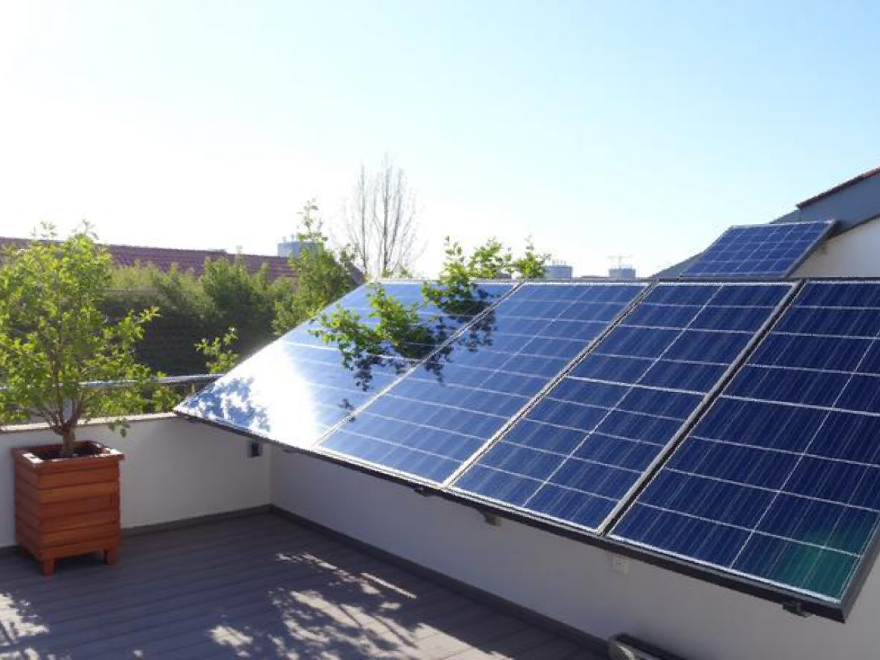
Across Europe, especially in cities with dense apartment living like Berlin and Amsterdam, balcony solar – small photovoltaic (PV) systems mounted on balconies or terraces – has become a popular way for flat-dwellers to generate their own electricity. These systems can cut energy bills, reduce carbon footprints, democratise access to solar energy, and empower residents who otherwise couldn’t install rooftop panels. UK residents are watching this trend closely – but the legal and practical situation here is evolving in real time.
What Is Balcony Solar?
Balcony solar refers to compact solar PV systems (often roughly 300-800 Watts peak) that can be mounted on a balcony railing or wall and connected into a home’s electrical system. In continental Europe, these are often plug-in “plug-and-play” units with micro-inverters and standard plugs, allowing residents to install them without major building works or professional electricians.
The main idea is to offer city residents, renters, and apartment owners access to solar energy where traditional rooftop installations are impractical. They save money by generating electricity during daylight hours and reducing grid consumption.
The UK Legal Landscape: Strict but Changing
⚠️ Currently Not Plug-and-Play
As of late 2025, balcony solar systems that simply plug into a standard UK socket are not legal. UK electrical law – specifically the BS 7671 Wiring Regulations – requires that any grid-connected generating system, no matter how small, must be professionally installed and electrically certified. This means that simply buying a balcony solar kit and plugging it into a wall socket is not compliant with current rules.
These regulations are designed to protect against major safety risks – such as back-feeding unsafely into the grid (which can endanger lineworkers during outages) and overloading household circuits – and they apply to everything from large rooftop PV arrays to micro-installations.
Government Review and Potential 2026 Changes
The UK government is actively considering new rules to legalise plug-in balcony solar up to around 800 Watts AC output, following the model already in place in Germany and other EU countries. A safety review and consultation was announced in 2025 with the aim of publishing standards that could enable easy plug-in systems and broaden access to renters and flat owners.
If adopted, these changes could make balcony solar much more like a portable appliance – allowing users to install their panels themselves and plug them in without professional hard-wiring, so long as the system stays below a specified output limit.
At the time of writing, these changes are expected to materialise in 2026, but until then, UK residents must treat balcony solar as they would any other grid-connected solar installation.
What Is Legal Today in the UK
Even though plug-in solar isn’t yet legal, there are lawful ways to install small solar PV on or near balconies:
Professional Hard-Wired Systems
A balcony or wall-mounted PV system can be installed if it is hard-wired by a qualified electrician into a dedicated circuit in your consumer unit, complying with BS 7671 and Part P of UK Building Regulations. Your installer must also notify your local Distribution Network Operator (DNO) using the G98 connect-and-notify process if the system is under about 3.68 kW per phase.
Permissions
- Renters: You need formal written permission from your landlord before installing balcony solar panels. This protects both parties and ensures consent around structural safety and aesthetics.
- Leasehold Flats: You also may need consent from freeholders or building management. Physical attachments to shared structures (railings or walls) often require approval.
- Planning Permissions: In most cases, planning permission is not required for solar panels under permitted development rights – including many balcony installations – unless your property is listed or in a conservation area, or the panels protrude significantly beyond the building façade.
Components of a Balcony Solar Setup
A typical balcony system includes:
- Solar Panels: Usually 300-800 W peak (Wp).
- Mounting Hardware: Brackets for railing, wall mount, or floor stand.
- Inverter/Microinverter: Converts DC output from the panels to AC compatible with your house wiring.
- Battery (Optional): Increases self-consumption and stores daytime generation for later use.
- Professional Wiring: Hard-wiring into a dedicated circuit if grid-connected.
Costs and Savings
Typical Costs
Because plug-in solar isn’t yet permitted, balcony systems in the UK often require professional installation, which adds to the price:
- Solar panels: £150-£350 per panel.
- Full balcony solar kits (solar + inverter): £500-£2,000.
- Professional installation (electrical and mounting): £300-£600 or more depending on complexity.
Savings and Payback
A 400 W balcony solar installation in a UK city may generate roughly 300-450 kWh per year in typical conditions. At current electricity prices (~£0.25/kWh), that could save £80-£150 per year from self-consumption.
A larger 800 W system might save proportionally more, but real-world savings depend on how much of the generated electricity you consume in your home instead of exporting it. Adding a small battery boosts self-use and improves economics.
Payback times – the period after which savings offset the initial investment – vary widely but are often around 7–9 years for balcony systems with professional installation. If future plug-in regulations succeed and installation costs fall, paybacks could improve further.
Benefits of Balcony Solar
Environmental Impact
Even small PV systems reduce carbon emissions by displacing grid electricity, particularly when that electricity is generated from fossil fuels. Over its lifetime, a balcony solar system can cut hundreds of kilograms of CO₂ per year.
Energy Cost Savings
With rising energy bills, generating and using your own electricity provides direct bill savings, especially during sunny months when more power is produced. Batteries further increase self-consumption.
Accessibility & Equity
Balcony solar opens the door to solar for residents who cannot install traditional rooftop panels, such as renters, flat owners, and people in conservation zones. If future regulations permit plug-in systems, it could democratise solar access further.
Portability
Future plug-in standards could make these systems portable, meaning you can take them with you if you move, making solar accessible to people who rent or frequently relocate.
Practical Considerations Before You Install
Sunlight and Orientation
Balconies facing south or west capture the most sunlight in the UK; north-facing balconies produce significantly less energy. Shading from buildings or trees reduces output dramatically.
Weight and Structure
Ensure balcony railings or walls can safely support solar panels. Improper mounting can violate building codes or cause damage.
Safety First
Never bypass UK wiring standards. Only use UK-certified equipment and, where grid-connected, always have a qualified electrician handle final connections and DNO notification.
What’s Next for Balcony Solar in the UK?
2026 looks set to be a pivotal year. The government’s consultation and safety standards review may finally legalise plug-and-play balcony solar with a maximum output limit (likely around 800 W), aligning the UK with Europe’s evolving approach. This will simplify installations, reduce costs, and make solar more accessible – particularly for renters and urban dwellers.
In conclusion
Balcony solar in the UK is a promising and rapidly evolving segment of the renewable energy landscape. While current regulations require professional installation for grid-connected systems, the energy, environmental, and social benefits are clear. As policy shifts towards enabling more flexible installations, balcony solar could become a key part of urban energy strategies – empowering residents to lower bills, reduce carbon footprints, and participate in the clean energy transition from places as small as a balcony or terrace.