When Will Balcony Solar Be Legal in the UK? A Simple Guide for Homeowners and Renters
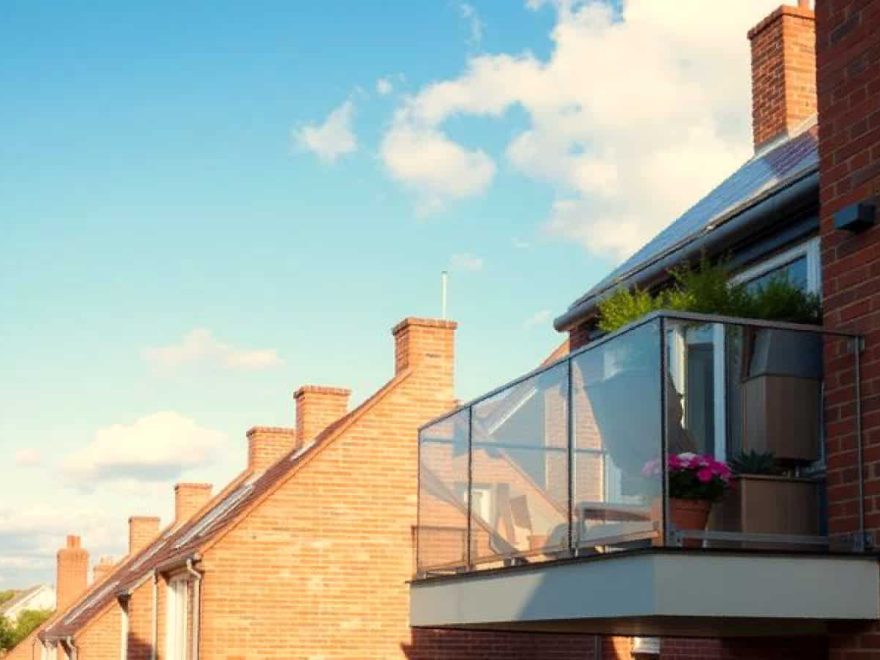
With energy bills staying high, it’s no surprise that more people are looking for ways to generate their own electricity. For those living in flats or rented homes, balcony solar can seem like the perfect solution: a small solar panel on your balcony that helps cut your electricity costs.
In some European countries, these systems are easy to install and legal to plug straight into a wall socket. In the UK, the situation is a bit more complicated. Balcony solar isn’t banned, but whether it’s legal depends on how it’s installed and how it connects to your home.
This guide explains, in simple terms, what’s allowed, what isn’t, and what may change soon.
What Is Balcony Solar, in Simple Terms?
Balcony solar usually means one or two small solar panels attached to a balcony railing, wall, or terrace. They’re much smaller than full rooftop systems, typically producing a few hundred watts of power — enough to cover things like your fridge, Wi-Fi, or standby devices during the day.
Many people imagine these systems as “plug-and-play”: hang up the panel, plug it in, and start saving. Unfortunately, that last step is where UK rules currently draw the line.
The Big Question: Can You Just Plug It In?
Right now, no — you can’t legally plug a solar panel straight into a normal UK socket.
UK electrical safety rules treat anything that generates electricity for your home as part of the fixed wiring. Standard sockets are designed to take power from the grid, not send power back into your home. Plugging solar panels into them can create safety risks during power cuts or electrical faults.
Because of this, simple plug-in balcony solar systems are not yet legal in the UK.
So When Is Balcony Solar Legal?
Even though plug-in systems aren’t allowed yet, there are legal ways to use balcony solar.
1. Properly Installed Systems
Balcony solar can be legal if it’s installed in the same way as traditional solar panels — just smaller.
This means:
- The system is hard-wired into your home’s fuse board, not plugged into a socket
- It’s installed by a qualified electrician
- It meets UK electrical safety standards
- Your local electricity network is notified
This setup lets the solar power your home safely and legally, but it’s more expensive and less flexible than the plug-and-play systems people often want.
2. Solar That Doesn’t Connect to Your Home
If you don’t connect the solar panels to your home’s wiring at all, things are much simpler.
You can legally:
- Use balcony solar to charge a battery
- Power small devices directly from the panel
- Use a portable “solar generator” indoors
These setups are legal because they don’t interact with the mains electricity system. The downside is that they don’t automatically reduce your electricity bill — you have to manually use the power from the battery.
Do You Need Planning Permission?
In most cases, no.
Small solar panels are usually allowed under “permitted development”, which means you don’t need planning permission as long as:
- The panels aren’t huge or intrusive
- They don’t dramatically change the building’s appearance
- The property isn’t protected
However, planning permission may be needed if:
- The building is listed
- You live in a conservation area
- The building has special planning conditions
If you’re unsure, a quick check with your local council can save problems later.
What About Renters and Flat Owners?
This is where many people get caught out.
If you rent or own a leasehold flat:
- You usually need permission from the landlord or freeholder
- Balcony railings and exterior walls often aren’t legally “yours”
- Building management companies may have safety or appearance rules
Even though tenants now have stronger rights to request energy-saving improvements, you still need approval before installing solar panels on a balcony.
Why Is the UK So Strict?
It’s a fair question — especially when other countries make balcony solar so easy.
The UK’s approach is mainly about safety. Regulators are concerned about:
- Electricity flowing the wrong way during power cuts
- Engineers working on lines that unexpectedly carry power
- Older wiring that wasn’t designed for small generators
These concerns don’t mean balcony solar is dangerous — just that the rules haven’t yet caught up with modern technology.
Will the Rules Change?
Probably — and soon.
The government has signalled interest in allowing low-power plug-in solar systems in the future. If new rules are introduced, they’re likely to include:
- A strict power limit
- Certified safety equipment
- Simple registration rather than full installation
- Clear guidance for renters and landlords
If this happens, balcony solar could become a realistic option for millions of people who can’t install rooftop panels.
What Happens If You Ignore the Rules?
Some people already use plug-in systems quietly, but there are risks:
- Your insurance may not cover electrical damage
- You could breach your tenancy or lease
- You may be liable if something goes wrong
Even if enforcement is rare, the consequences can be serious.
Should You Install Balcony Solar Now or Wait?
It depends on your situation.
- Homeowners with permission and budget can install a compliant system now
- Renters may prefer off-grid solar or to wait for new rules
- Those wanting simplicity are probably better off waiting
For many people, the biggest barrier isn’t technology — it’s regulation, and that may be about to change.
The Bottom Line
Balcony solar is legal in the UK, but only when it’s installed safely and correctly. You can’t yet plug a solar panel straight into a wall socket, but professionally installed or off-grid systems are allowed. Planning permission is usually not needed, but landlord or freeholder consent often is.
If plug-in systems are approved in future, balcony solar could become one of the easiest ways for renters and flat-dwellers to cut their energy bills. Until then, understanding the rules is the key to staying safe — and legal.